
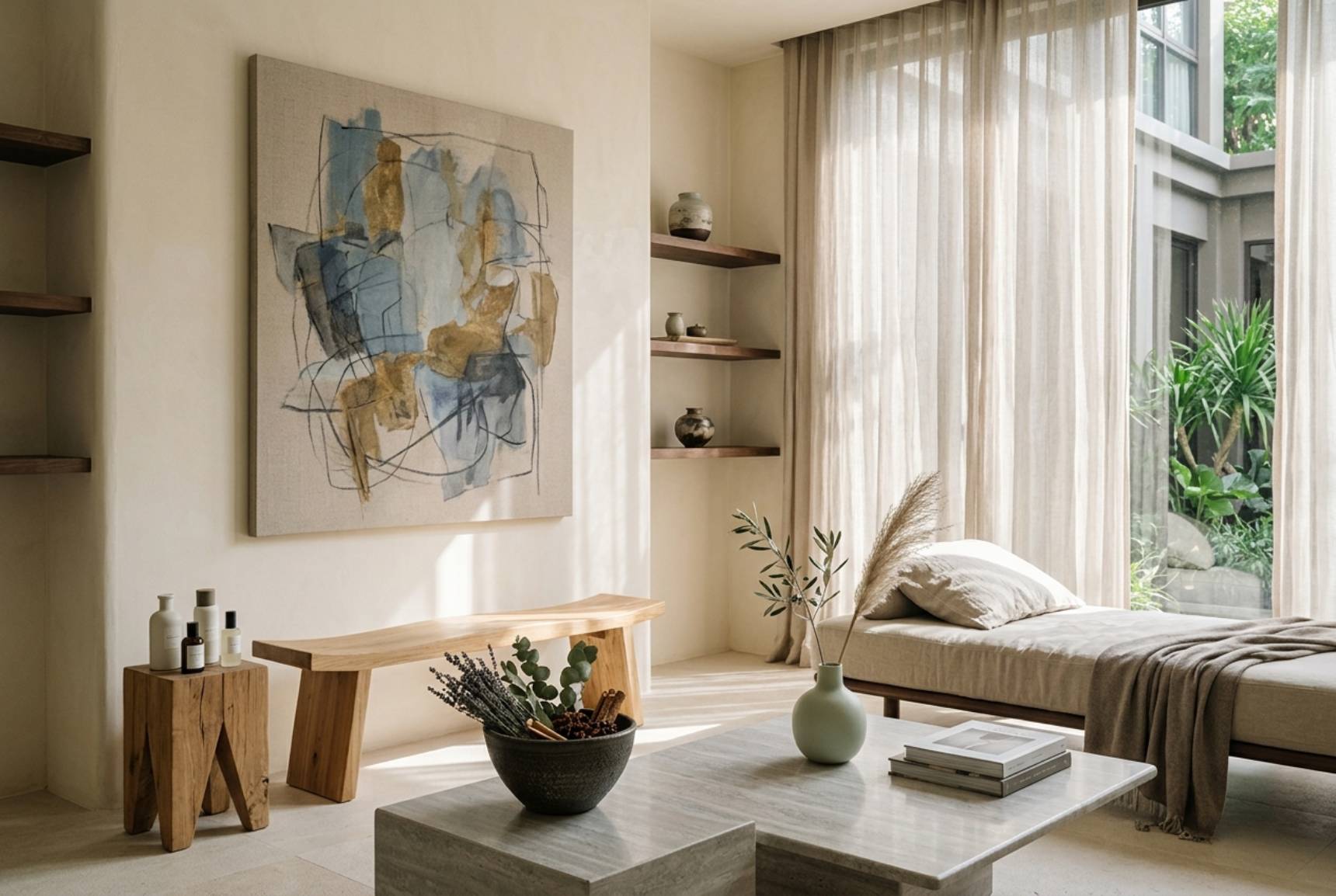
In a world that rarely slows down, stillness has become one of the most meaningful forms of luxury. The constant movement of city life, the demands of modern schedules, and the endless stream of digital information can leave little room for quiet reflection. Yet, creating a moment of calm does not always require escaping to a remote destination. Sometimes, it begins with something much closer: a thoughtfully designed space, an evocative fragrance, a beautiful work of art, and the freedom to simply be present.
At Art Bangkok, where captivating art meets serene spa indulgence, the relationship between creativity and relaxation offers an inspiring perspective on contemporary wellness. A carefully considered environment can shape the way we experience a moment, while the subtle presence of scent can add another dimension to our surroundings. Together, space, fragrance, and artistic expression create an opportunity to rediscover stillness through the senses.
Curated calm is not simply about making a room look beautiful or filling it with pleasant aromas. It is about designing an atmosphere in which every element feels intentional, allowing visual harmony, sensory comfort, and personal reflection to exist together.
The Art of Creating Stillness
Stillness is often mistaken for silence or the absence of activity. In reality, it can be an experience of presence: a moment when attention moves away from external demands and settles into the immediate surroundings.
Interior design plays an important role in shaping this experience. The arrangement of furniture, the quality of natural light, the relationship between open and enclosed spaces, and the selection of materials all influence how a room feels. A thoughtfully composed interior can encourage visitors to slow their pace, notice their surroundings, and experience a greater sense of ease.
Consider the difference between entering a crowded, visually busy room and stepping into an environment where each object has space to breathe. In the first, the eye may struggle to settle. In the second, the mind has an opportunity to explore without feeling overwhelmed.
This does not mean that a peaceful environment must be entirely minimalist. A room filled with art, meaningful objects, or distinctive textures can feel equally inviting when its elements are arranged with care. The key is balance: knowing when to introduce visual interest and when to allow simplicity to take the lead.
At an art-inspired wellness retreat, this balance becomes especially significant. Art provides opportunities for discovery and interpretation, while the surrounding environment creates a setting in which those experiences can unfold naturally. A painting may invite contemplation, a sculpture may introduce an unexpected focal point, and a comfortable seating area may encourage visitors to remain a little longer.
The result is an atmosphere that feels considered rather than crowded, expressive rather than overwhelming.
At Art Bangkok, this relationship between art and relaxation offers a distinctive way to experience beauty. Rather than treating the environment as a background to the wellness experience, the space itself becomes part of the journey.
Space as a Sensory Experience
A room communicates through more than its appearance. It also communicates through proportion, texture, temperature, acoustics, and the way people move through it.
When these elements work together, a space can feel welcoming and coherent. When they compete for attention, even an expensive interior can feel uncomfortable or restless.
The art of designing stillness begins with understanding these subtle relationships.
The Importance of Natural Light
Light can transform the character of an interior throughout the day. Morning sunlight may reveal the warmth of wooden surfaces, while softer afternoon light can bring out the delicate textures of a painting or the contours of a sculptural object.
In a calming environment, lighting should support the purpose of the space rather than dominate it. Where possible, natural light can create an inviting connection with the outside world. At other times, warm, diffused lighting can provide a gentler atmosphere than harsh overhead illumination.
Lighting also influences how artwork is experienced. A carefully illuminated painting can become a focal point without overwhelming the surrounding room. Subtle changes in brightness can reveal details that might otherwise go unnoticed, encouraging visitors to look more closely and engage with the work at their own pace.
The objective is not darkness for its own sake, but visual comfort and a sense of balance.
Texture, Material, and Touch
Materials contribute another layer to the experience of calm. Natural wood, linen, stone, cotton, and other tactile surfaces can introduce visual warmth and a sense of physical familiarity.
A textured wall may complement an abstract painting. A smooth stone surface may contrast with a soft upholstered chair. The grain of timber may bring an organic quality to an otherwise contemporary interior.
These contrasts are important because a harmonious space does not need to be uniform. In fact, carefully selected differences can make an environment more engaging without making it feel busy.
For a spa-inspired setting, tactile comfort becomes particularly relevant. Soft towels, comfortable seating, natural-feeling fabrics, and well-considered furnishings help create an environment in which guests can settle into the experience.
The most successful interiors often communicate their intention through these small details. Nothing needs to demand attention, yet every element contributes to the overall atmosphere.
Space, Movement, and Breathing Room
How we move through a room can be just as important as what we see within it. Crowded pathways, excessive decoration, and poorly arranged furniture may create unnecessary distractions.
By contrast, clear circulation, comfortable spacing, and thoughtfully placed objects allow movement to feel natural. Visitors can approach an artwork without obstruction, find a quiet place to sit, or transition between different areas without feeling hurried.
Breathing room also gives individual artworks greater presence. Instead of competing with multiple visual features, each piece can establish its own relationship with the viewer.
This approach is particularly appropriate for Art Bangkok, where artistic expression and relaxation share the same conceptual space. The environment becomes a carefully composed experience, inviting visitors to move between observation, reflection, and personal indulgence.
The Invisible Architecture of Scent
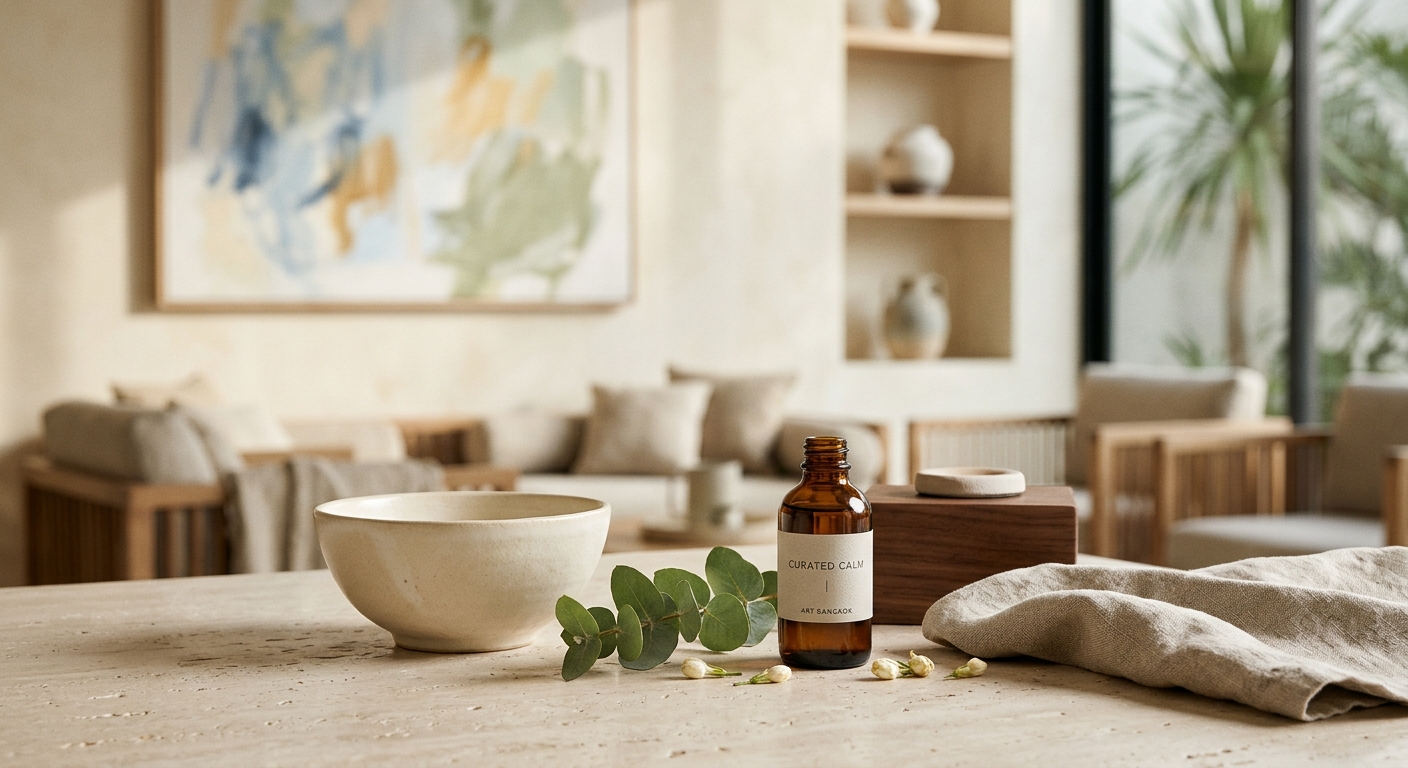
If space shapes what we see and how we move, scent adds another dimension to how we experience an environment.
Fragrance is distinctive because it is often perceived before we consciously identify its source. A familiar aroma may bring a memory to mind, while a subtle botanical note may remind us of a garden, a quiet morning, or a peaceful retreat.
In interior design, scent can be understood as an invisible layer of atmosphere. It does not occupy physical space in the same way as furniture or artwork, yet it can influence the character of a room and contribute to the overall sensory impression.
This is why fragrance deserves the same consideration as lighting, materials, and visual composition.
A well-chosen scent should complement the environment rather than compete with it. It can create continuity between different areas, add a subtle sense of warmth, or help establish a distinctive identity for a wellness destination.
The most effective approach is often restraint. A fragrance that is too intense may become distracting, particularly in a space where visitors are encouraged to relax. A gentle, balanced aroma can remain part of the background, allowing the other senses to retain their importance.
Scent should be an invitation, not an imposition.
Botanical Fragrances and Their Atmosphere
Different fragrance families can suggest different moods and associations. Their effects are personal, influenced by memory, culture, preference, and individual sensitivity.
Lavender: A Familiar Note of Tranquillity
Lavender is widely associated with relaxation and evening rituals. Its herbal, floral character can suit a quiet treatment room, a resting area, or a space intended for a slower pace.
When used thoughtfully, lavender may contribute to an atmosphere that feels familiar and comforting. Its appeal is not universal, however, and the fragrance should always remain subtle enough to avoid becoming intrusive.
Citrus: Freshness and Lightness
Bergamot, sweet orange, and other citrus notes often convey freshness and brightness. Their crisp character can complement natural light, pale materials, and interiors that feel open and airy.
Citrus fragrances may be especially suitable for transitional spaces, where the aim is to create a fresh and welcoming first impression rather than an intensely meditative atmosphere.
Sandalwood: Warmth and Depth
Sandalwood is valued for its soft, woody character and its association with contemplative environments. It can complement natural materials, muted colours, sculptural forms, and interiors with a grounded, understated aesthetic.
Its warmth may create an interesting contrast with cooler surfaces or minimalist artworks, adding depth without requiring additional visual decoration.
Jasmine: Floral Elegance
Jasmine offers a more expressive floral profile. Depending on the fragrance composition, it may feel delicate, rich, luminous, or sensual.
In a carefully curated environment, jasmine can introduce a sense of refinement and character. Because floral fragrances can be quite noticeable, the concentration and placement should be considered carefully.
Herbal and Green Notes: A Connection with Nature
Green tea-inspired accords, fresh herbs, and leafy botanical notes can suggest freshness and an association with natural surroundings. These fragrances may work well alongside stone, timber, indoor greenery, and artworks inspired by landscapes or organic forms.
The intention is not to reproduce nature literally, but to introduce a subtle sensory connection with it.
These fragrance families are starting points rather than universal prescriptions. The right choice depends on the identity of the space, the surrounding materials, the preferences of visitors, and the atmosphere the designer wishes to create.
When Fragrance Becomes Part of the Design
Scent is most effective when it is considered during the design process rather than added as an afterthought.
Imagine a contemporary interior featuring warm timber, understated furnishings, soft lighting, and a collection of abstract artworks. A restrained woody fragrance could complement the materials and reinforce the room's grounded character. In another space, where pale surfaces and natural light create a feeling of openness, a gentle citrus or green note might feel more appropriate.
Neither approach is inherently better. Each establishes a different sensory identity.
The important principle is coherence.
Fragrance should relate to the visual language of the room, just as furniture and lighting relate to the architecture. If an interior is designed around simplicity, an overpowering perfume may disrupt its balance. If the space celebrates expressive colour and rich textures, a carefully chosen fragrance may add another layer without diminishing the artwork.
Designers can also consider how scent changes as visitors move through an environment. A welcoming entrance may benefit from a subtle fragrance, while an area intended for quiet contemplation may be better served by little or no added scent.
In treatment rooms, scent preferences become especially personal. Some visitors may enjoy botanical aromas, while others may prefer a completely fragrance-free environment. Providing choice is therefore an important part of thoughtful hospitality.
Ventilation, product safety, and sensitivity to fragrance should always be considered. Essential oils and scented products are not suitable for everyone, and natural ingredients are not automatically free from irritation or allergic reactions.
A sophisticated sensory environment respects these differences. It offers fragrance as an optional element of the experience rather than assuming that everyone will respond to it in the same way.
Art, Aroma, and the Language of Emotion
Art and fragrance may appear to belong to separate worlds, yet both can create associations that extend beyond their immediate physical presence.
A painting can evoke a memory through colour, movement, or form. A sculpture can suggest stillness through its proportions and material. A fragrance can remind someone of a familiar place or a moment from the past.
These responses are subjective, which is precisely what makes them interesting.
There is no single emotional interpretation of a work of art, just as there is no universal response to a particular scent. One visitor may find a minimalist composition peaceful, while another may prefer the energy of expressive colours. A woody fragrance may feel comforting to one person and unfamiliar to another.
Curated calm therefore does not mean prescribing a specific emotional response. It means creating the conditions in which people can experience their surroundings in their own way.
At Art Bangkok, the combination of artistic expression and spa-inspired relaxation offers an opportunity to explore this relationship between perception and personal experience.
Visitors may begin by noticing the composition of a painting, then become aware of the textures and light around them. A subtle fragrance may add another sensory association, while the atmosphere encourages them to spend time with what they find meaningful.
This sequence need not be structured or deliberate. It can unfold naturally as part of the experience.
The beauty lies in the freedom to observe without rushing, appreciate without needing to analyse, and enjoy an environment without expecting it to produce a particular result.
Art becomes more than something to look at. It becomes part of a broader sensory encounter.
The Role of Minimalism in Modern Wellness
Minimalism is frequently associated with calm because it reduces unnecessary visual competition. However, meaningful minimalism is not simply about removing objects or choosing neutral colours.
It is about making deliberate decisions.
An empty room is not automatically peaceful, just as a richly decorated room is not automatically overwhelming. What matters is whether the elements within a space support its intended atmosphere.
A minimalist wellness interior might feature a single striking artwork, a carefully positioned chair, a textured wall, and a gentle source of light. Each element has room to contribute to the experience.
In another setting, a more expressive approach might use layered artwork, tactile materials, sculptural furniture, and a richer colour palette. When composed carefully, these elements can create a sense of intimacy and artistic character.
Both approaches can support stillness.
For Art Bangkok, this offers an opportunity to view wellness through a creative lens. Rather than following a rigid formula for what a peaceful environment should look like, the focus can remain on balance, intention, and the relationship between individual design elements.
The objective is not to eliminate personality from a space. It is to give that personality room to breathe.
Designing for All Five Senses
A memorable wellness environment is rarely defined by one feature alone. Its character emerges through the relationship between sight, sound, scent, touch, and taste.
Although visual design often receives the greatest attention, a broader sensory approach can create a more considered and immersive experience.
Sight: A Visual Rhythm of Calm
Colour, lighting, proportion, and artwork establish the visual character of an interior.
A restrained palette can create continuity, while a carefully positioned artwork introduces contrast and interest. The relationship between open space and visual focal points helps determine whether the room feels balanced.
At an art-inspired retreat, the artwork should not simply fill empty walls. It should have a meaningful relationship with its surroundings.
Sound: The Value of Acoustic Comfort
Noise can influence how comfortable a space feels. Unwanted echoes, loud conversations, and competing background sounds may make it difficult to settle into a moment of quiet.
Acoustic design can help address these challenges through soft furnishings, suitable wall treatments, thoughtful spatial planning, and sound management.
Gentle ambient music or natural sounds may contribute to the atmosphere when appropriate, but silence should also remain an option.
A calm environment does not need to fill every moment with sound.
Scent: An Invisible Signature
Fragrance can help establish the identity of a space, provided it is used with restraint and sensitivity.
The choice of aroma should reflect the environment rather than follow a trend. Some interiors may benefit from a gentle botanical note, while others may feel more welcoming without added fragrance.
Allowing visitors to choose their preferred sensory experience is part of good design.
Touch: Comfort in the Details
Tactile materials influence how a space is experienced physically. Soft fabrics, smooth finishes, comfortable seating, and thoughtfully selected natural materials can contribute to a feeling of ease.
In a spa environment, these details become particularly important because comfort is experienced directly rather than simply observed.
The quality of a towel, the texture of a surface, and the support offered by a chair may seem minor individually, but together they contribute to the overall impression.
Taste: A Thoughtful Finishing Touch
Where refreshments are offered, a simple beverage can extend the experience of hospitality.
A cup of herbal tea, a glass of water, or another suitable refreshment may provide a quiet transition between activities. The presentation can reflect the same design philosophy as the surrounding environment: simple, considered, and attentive to the visitor.
Taste does not need to become a central feature. Sometimes, a small gesture is enough to make an experience feel complete.
When these sensory elements are considered together, the environment becomes more than a collection of attractive features. It becomes a coherent experience shaped by the relationship between design, comfort, and personal choice.
Bringing Curated Calm into Everyday Life
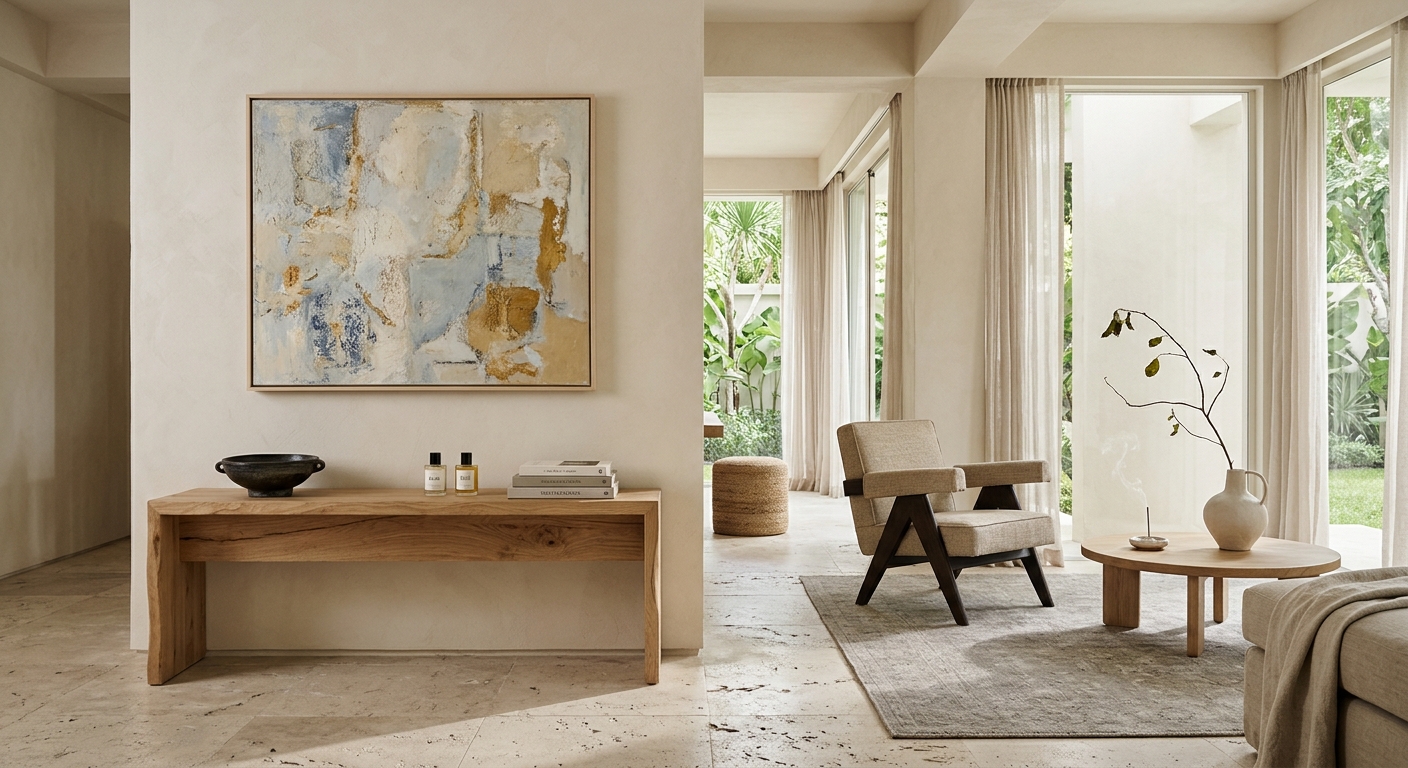
The principles of sensory design are not limited to galleries, hotels, or luxury spa retreats. They can also be incorporated into ordinary living spaces.
Creating a calmer environment does not require a complete redesign or an elaborate collection of wellness products. Small, intentional adjustments can make a space feel more welcoming and personally meaningful.
Begin by observing the room as it is. Which areas feel crowded? Where does natural light fall? Are there objects that create unnecessary visual distraction? Is there a favourite artwork or meaningful object that deserves a more considered position?
From there, a few simple changes can make a difference.
Create a visual focal point. Choose a painting, photograph, sculpture, or object that you enjoy looking at. Give it enough space to be appreciated rather than surrounding it with competing decorations.
Pay attention to lighting. Make use of natural daylight where possible and consider softer lighting for the evening. A comfortable lighting arrangement can help a room feel more inviting at different times of day.
Introduce texture. A linen cushion, a wooden tray, a woven textile, or another tactile material can add warmth without creating visual clutter.
Choose scent intentionally. If you enjoy fragrance, begin with a subtle option and notice how you respond to it. Keep the aroma light, maintain good ventilation, and avoid scented products if they cause discomfort.
Make room for quiet. Create a small area where you can sit, read, listen to music, or simply take a break from screens. It does not need to be a separate room; even a thoughtfully arranged corner can serve this purpose.
Let the space evolve. A calming environment should reflect your preferences, not a fixed design trend. Change artwork, materials, or arrangements when they no longer feel right.
The aim is not to turn everyday life into a permanent spa experience. It is to create small opportunities for comfort, reflection, and enjoyment within familiar surroundings.
These simple practices can also encourage a more attentive relationship with the objects and spaces we already have. Instead of continually seeking something new, we begin to appreciate what is already present.
A More Considered Approach to Luxury
Luxury is often measured through exclusivity, elaborate materials, or impressive surroundings. Yet another form of luxury is becoming increasingly meaningful: the freedom to experience something without being rushed.
A thoughtfully designed environment can offer this through its attention to detail. Lighting is adjusted for comfort. Materials are selected for their character and quality. Artwork is displayed with intention. Fragrance, where used, is subtle. The overall atmosphere allows visitors to settle into their surroundings without feeling overwhelmed.
This kind of luxury is not necessarily defined by how much a space contains, but by how carefully its elements are considered.
At an art and wellness destination, the experience can extend beyond conventional ideas of indulgence. Visitors can explore creative expression, appreciate the atmosphere, and enjoy a moment of personal restoration within the same setting.
The combination is appealing because it recognises that people seek different things from their time away. Some are drawn to the visual discovery of an exhibition. Others appreciate the comfort of a serene setting. Many enjoy the opportunity to experience both without having to choose between cultural inspiration and relaxation.
Art Bangkok brings these possibilities together through its concept of captivating art and serene indulgence. It offers a setting in which artistic curiosity and the pleasure of slowing down can become part of a single experience.
Curating Your Own Moment of Stillness at Art Bangkok
Stillness does not need to be dramatic to be meaningful. It may begin with the simple act of noticing a colour, appreciating a texture, or recognising how the atmosphere of a room changes your experience of the moment.
At Art Bangkok, the relationship between art and wellness invites visitors to approach beauty at a different pace. The artistic environment encourages observation and interpretation, while the spa-inspired atmosphere creates an opportunity to step away from familiar routines.
Imagine taking time to appreciate a painting without checking the time, noticing the interplay between light and material, or allowing the atmosphere to guide you into a quieter rhythm. These moments do not require a particular artistic background or a prescribed way of relaxing. They simply require the freedom to experience the surroundings on your own terms.
Scent may form part of this experience when it is thoughtfully selected and comfortably subtle. Equally, the absence of fragrance may be what makes a space feel right. The principle remains the same: every sensory detail should serve the visitor rather than demand attention.
This is the essence of curated calm. It is not about controlling every sensation or designing a perfect state of relaxation. It is about creating an environment in which beauty, comfort, and personal interpretation can coexist.
In a city as energetic as Bangkok, a moment of stillness can offer a welcome change of pace. It provides an opportunity to reconnect with the senses, appreciate artistic expression, and rediscover the pleasure of being present.
Conclusion: Where Space, Scent, and Art Find Their Balance
Designing stillness is an exercise in thoughtful composition. Light, materials, spatial arrangement, fragrance, and artwork each contribute to the way an environment is experienced. When these elements are brought together with intention, they can create a setting that feels coherent, welcoming, and open to personal interpretation.
The most successful spaces do not overwhelm visitors with sensory stimulation or impose a single definition of tranquillity. Instead, they leave room for discovery. They allow art to capture the eye, textures to add character, and scent to contribute gently to the atmosphere when appropriate.
At Art Bangkok, this approach reflects the meeting of artistic creativity and serene indulgence. It offers a different way to experience wellness, one in which the environment itself becomes part of the invitation to slow down.
Whether through the quiet presence of an artwork, the warmth of a carefully selected material, or the subtle character of a botanical fragrance, calm can emerge from the details we often overlook.
Ultimately, curated calm is less about creating a perfect space and more about creating the right conditions for a meaningful experience.
Take a moment to look more closely. Notice the atmosphere around you. Allow yourself time to appreciate what captures your attention.
Discover the meeting of art and relaxation at Art Bangkok, and experience how thoughtfully curated surroundings can transform an ordinary pause into something memorable.